US Investor Visa for Entrepreneurs for Startups
Embrace Your Potential: A Thorough Guide to the Investor Visa for Entrepreneurs
The investor visa concept offers a unique opportunity for entrepreneurs looking to grow their business horizons internationally. This comprehensive guide outlines the essential steps and criteria for obtaining such a visa. It highlights the potential rewards and challenges that come with the process. Understanding these aspects is crucial for success. As entrepreneurs explore this path, they may wonder what specific strategies can facilitate a smooth shift into a new market.
Comprehending the Investor Visa: What You Need to Know
What factors should entrepreneurs consider when pursuing an investor visa? Entrepreneurs must first evaluate the specific requirements of the country offering the visa, as regulations can vary substantially. They should assess the investment amount required, ensuring they can meet the financial obligations without risking their existing business or personal finances. In addition, it is essential to understand the types of businesses or industries that are prioritized background information within the host country, as this can affect the approval process.
In addition, entrepreneurs should analyze the potential for business growth and sustainability in the new environment, as this influences both their visa approval and long-term success. Seeking legal counsel or expert advice can assist in handling complex immigration laws and investment regulations. Lastly, networking with other investors or entrepreneurs who have successfully obtained a visa can supply valuable insights and guidance throughout the process.
Eligibility Criteria for the Investor Visa
Many countries require specific eligibility standards for entrepreneurs seeking an investor visa, which often includes a substantial financial investment and a viable business plan. Usually, applicants must prove that their investment will generate employment or contribute to the local economy. The minimum investment amount changes by country and can range from several hundred thousand to millions of dollars.
Additionally, entrepreneurs are typically required to submit a comprehensive business plan presenting their proposed operations, financial projections, and market analysis. Background checks, covering criminal history and financial stability assessments, are typical necessities.
Some jurisdictions may also impose age limitations or educational qualifications, guaranteeing that applicants possess the necessary skills to manage their business effectively. Additionally, applicants must often show that their investment funds are legitimately obtained. Meeting these eligibility standards is vital for successfully handling the investor visa process.
Advantages of Obtaining an Investor Visa
Obtaining an investor visa provides many benefits for entrepreneurs seeking to expand their business ventures worldwide. One significant advantage is the chance to enter new markets, enabling entrepreneurs to diversify their customer base and boost revenue potential. Additionally, an investor visa often offers a pathway to permanent residency, allowing entrepreneurs and their families to benefit from the stability and security of living in a new country.
Moreover, this visa can facilitate networking opportunities with local business communities and investors, encouraging partnerships that can enhance growth. Entrepreneurs can also gain access to a selection of resources, including mentorship programs, funding opportunities, and government incentives designed to support foreign investments. In addition, having an investor visa can boost an entrepreneur's credibility, making it less difficult to establish trust with local stakeholders. Overall, the investor visa serves as an crucial tool for entrepreneurs aiming to internationalize their operations and achieve long-term success.
The Application Process Explained Step-by-Step
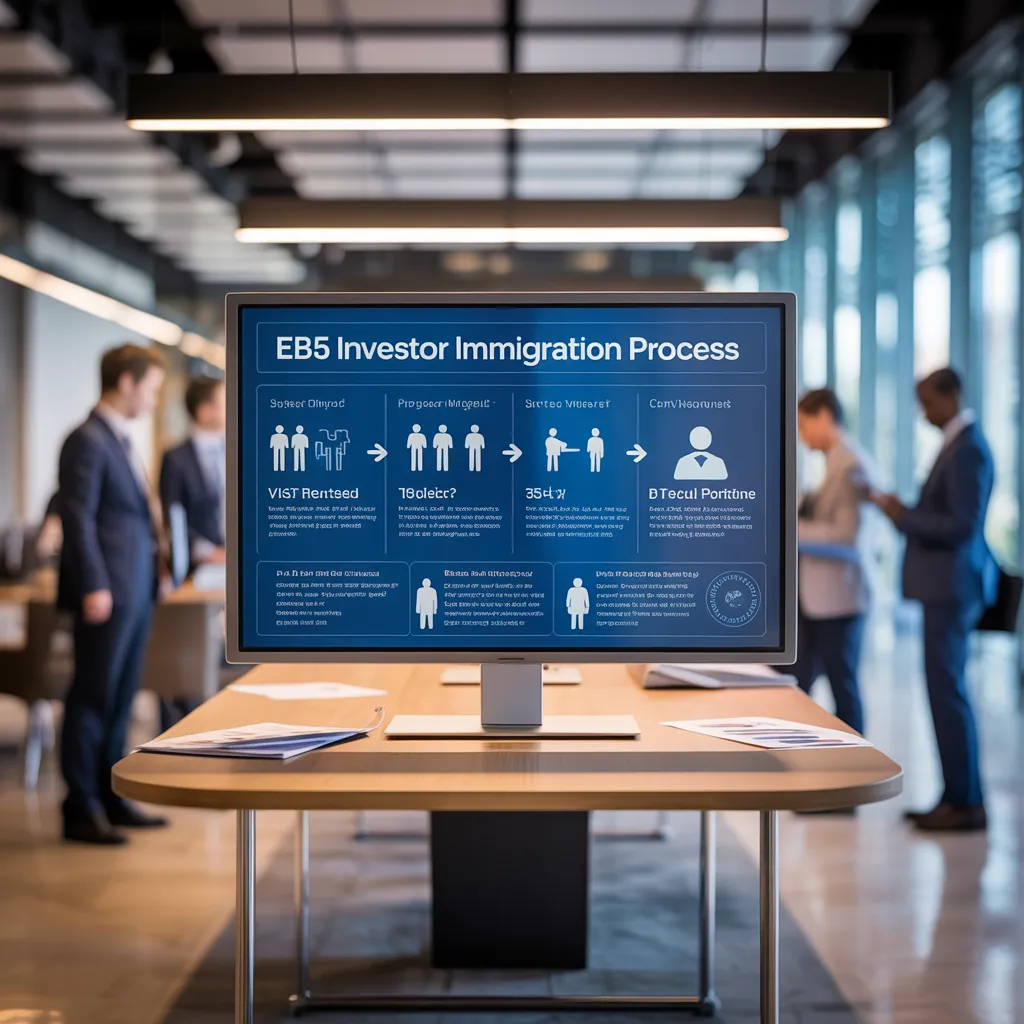
Managing the application process for an investor visa can be intricate, yet understanding each step is crucial for success. First, prospective applicants must conduct thorough research to identify the specific visa category that aligns with their entrepreneurial goals. Following this, they should prepare a thorough business plan that outlines their investment strategy, projected employment opportunities, and economic impact.
Following this, applicants are required to gather essential documentation, such as proof of funds, personal identification, and any prior business experience. When assembled, the application form needs to be filled in carefully and submitted alongside the supporting documents to the pertinent immigration authority.
Following submission, candidates may be required to participate in an interview, during which they will review their business objectives and investment strategies. Subsequently, following approval, individuals ought to preserve compliance with visa stipulations to confirm their status continues to be valid as they start their business pursuit.
Strategies for a Seamless Investment and Transition
Effectively managing the investor visa process sets the stage for a fruitful investment journey. To achieve success, entrepreneurs should conduct thorough market research to identify sectors with growth potential. Building a solid business plan that outlines clear objectives and strategies is essential, as it serves as a roadmap for the venture. Networking within the local business community can provide valuable insights and connections, facilitating more seamless transitions.
In addition, understanding the legal and regulatory landscape is essential, as compliance can greatly impact sustained viability. Entrepreneurs should evaluate hiring local advisors to address these complexities proficiently. Collaborating with a trusted financial institution can also deliver guidance on investment strategies and risk assessment. Ultimately, maintaining adaptability and flexibility in operations will permit entrepreneurs to adapt to market changes, maximizing their chances for sustained success in their new environment.
Common Questions
What Is the Expected Timeline for the Investor Visa Process?
Investor visa processing typically requires six months to two years. Factors such as the applicant's country of origin, application completeness, and specific visa requirements can greatly influence the overall processing time.
Can Family Members Accompany Me on the Investor Visa?
Yes, family members may accompany the primary applicant on an investor visa. Generally, spouses and dependent children are eligible to join, ensuring family unity while the primary applicant conducts business activities in the host country.
What Are the Taxation Implications of Possessing an Investor Visa?
Maintaining an investor visa can subject individuals to certain tax responsibilities, including income tax on global earnings and potential capital gains tax. Tax treaties could impact responsibilities, requiring careful planning and consultation with tax advisors.
Are There Any Language Requirements for the Investor Visa?
Language requirements for the investor visa fluctuate by country. Typically, applicants might need to establish proficiency in the country's official language, often through recognized language tests or documentation, to ensure effective communication and integration.
Can I Change From Another copyright an Investor Visa?
Yes, an individual can switch from their current visa to an investor visa, provided they satisfy the eligibility requirements. It is vital to refer to immigration regulations and ideally seek legal advice to ensure a smooth transfer.